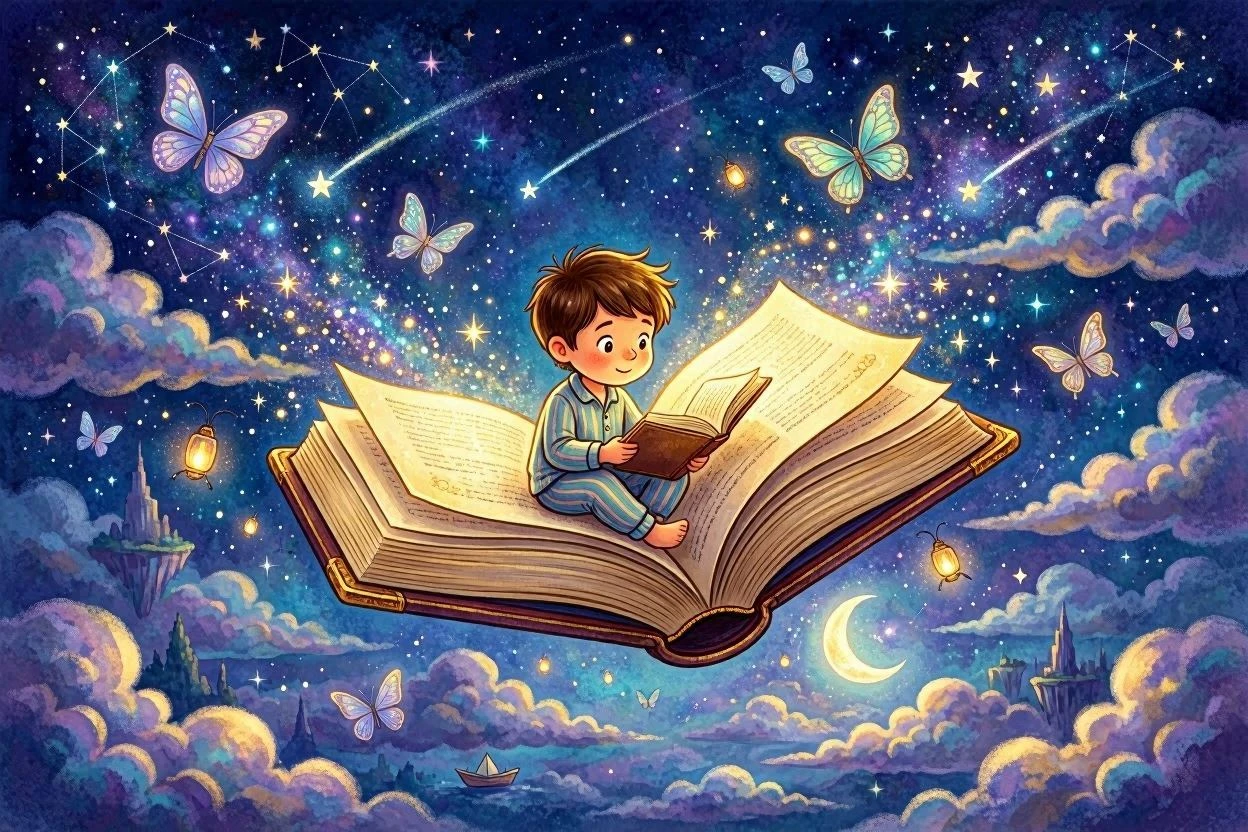
Magical Stories for Curious Minds
Explore timeless tales that spark imagination, build values, and inspire children around the world.
Featured Stories
Hand-picked tales to start your journey.
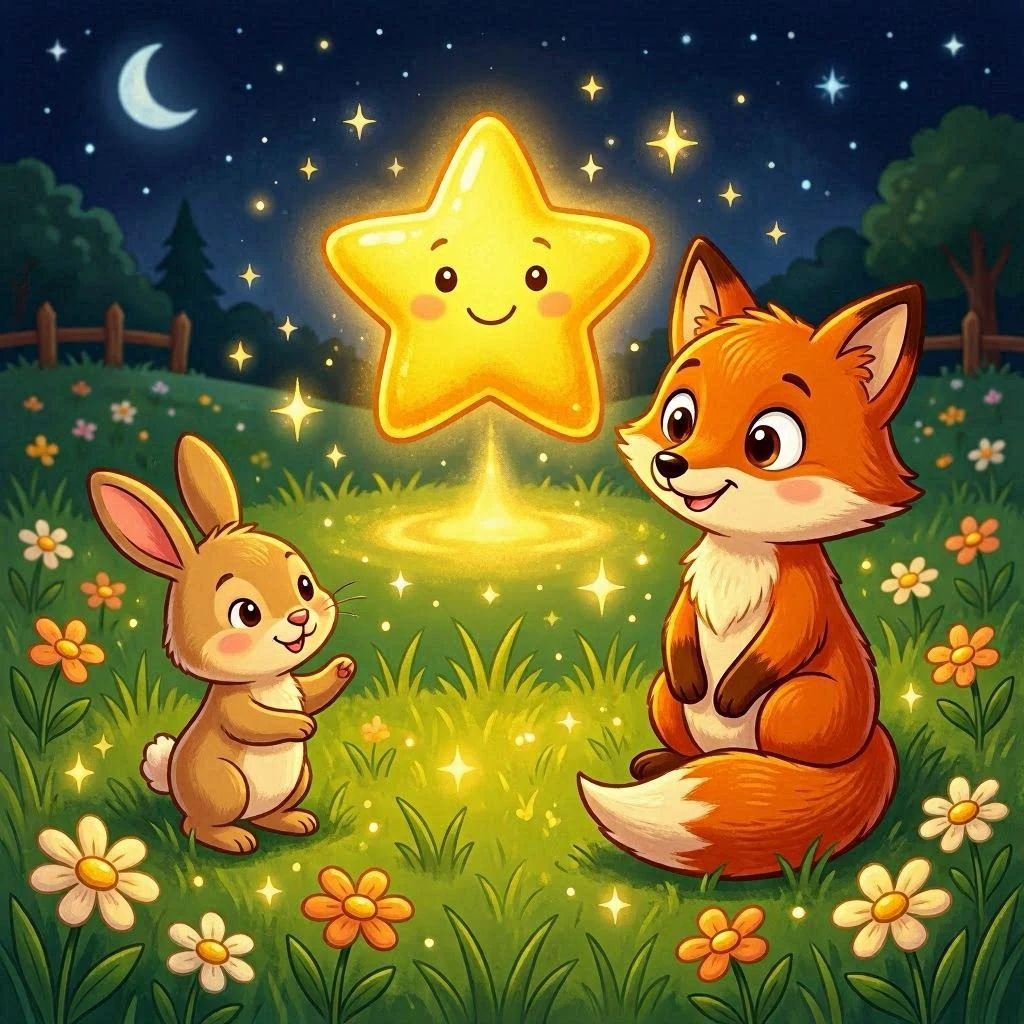
The Star That Fell to Earth
A little star falls from the sky and must find his way home with the help of a kind fox and a brave badger.
Read Story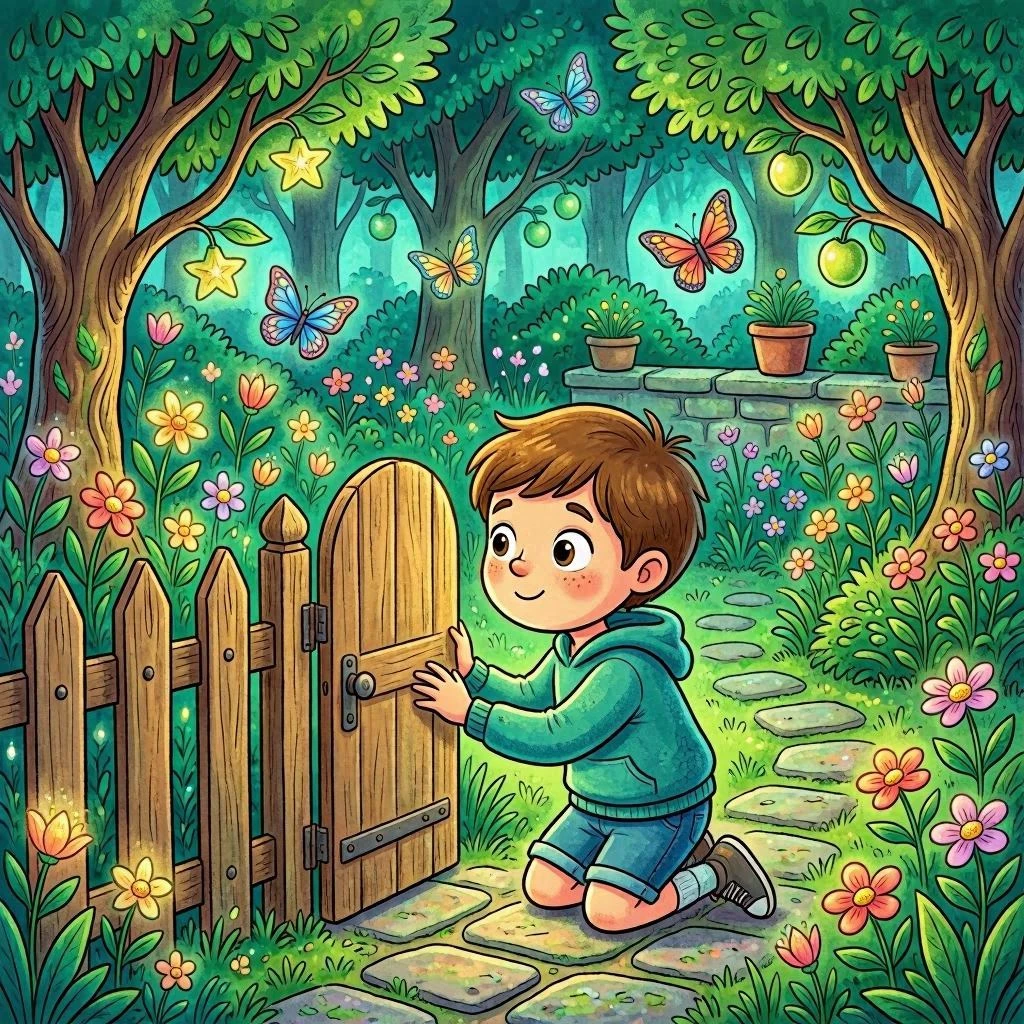
Oliver and the Invisible Garden
A boy discovers a magical garden that only appears when he closes his eyes and imagines hard enough.
Read Story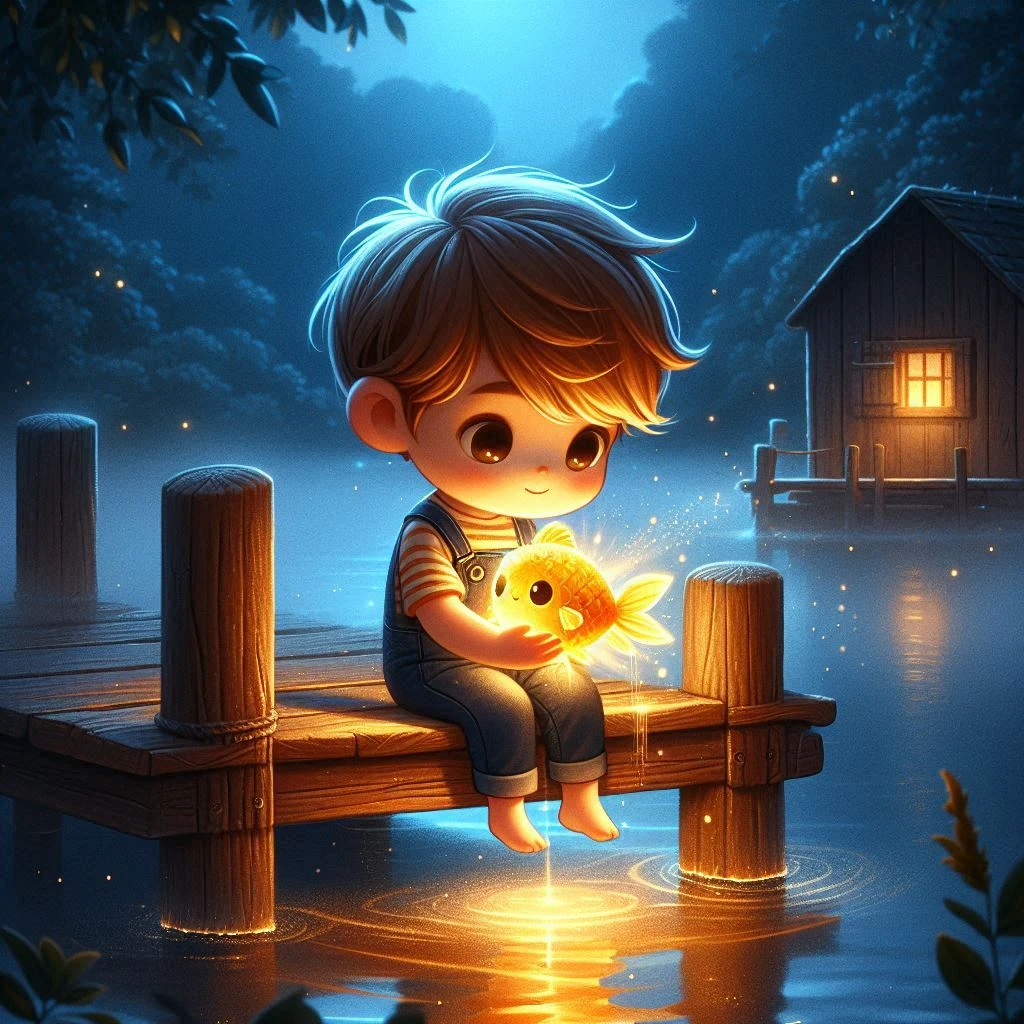
The Boy and the Golden Fish
A young fisherman catches a magical golden fish who teaches him that the greatest treasures are not things you can keep.
Read StoryOur Mission
Bringing the world's best stories to every child
The Ancient Art of Storytelling
Long before the written word existed, human beings gathered around fires and passed their knowledge, their fears, their joys, and their wisdom from one generation to the next through the simple act of telling stories. Storytelling is not merely entertainment — it is the oldest form of human education ever known. Ancient cultures across every continent used narrative to explain the world, preserve history, and teach the young what it meant to live with courage, kindness, and integrity.
In every language, in every corner of the earth, you will find stories. They shape how we understand ourselves and how we relate to others. A child who grows up surrounded by stories inherits something profound: the capacity to imagine lives beyond their own, to feel what others feel, and to understand that every person carries within them a world as rich and complex as their own.
How Stories Build Emotional Intelligence
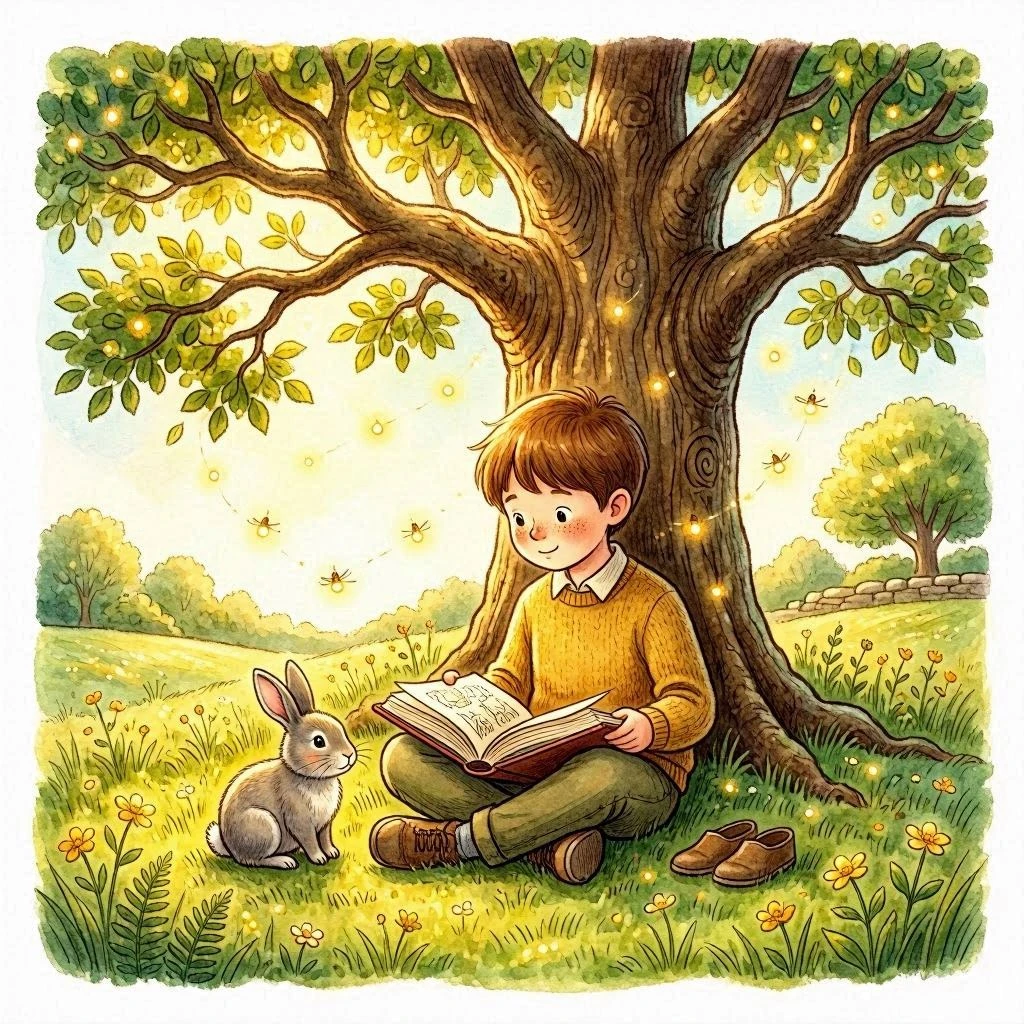
Children between the ages of three and twelve are at the most critical stage of emotional development in their entire lives. During these years, they are learning to name what they feel, to manage overwhelming emotions, and to understand why other people behave the way they do. Stories are uniquely powerful tools for this kind of learning. When a child follows a character through fear, loss, joy, or confusion, they practice those emotions in a safe space — one where there is no real consequence, only experience.
Psychologists have long observed that children who are regularly exposed to stories demonstrate higher levels of empathy than their peers. They are better able to recognize emotional cues in others, better equipped to resolve conflicts peacefully, and more resilient in the face of their own difficulties. The story becomes a kind of rehearsal for life — a place where a child can try on different perspectives and discover, again and again, that kindness tends to lead to good outcomes and that courage often means doing the right thing even when it is difficult.
The Science Behind Narrative Learning
Modern neuroscience has confirmed what storytellers have always known intuitively. When we listen to a story, our brains do not simply process information — they light up as if we were experiencing the events ourselves. This phenomenon, known as neural coupling, means that a well-told story activates the same regions of the brain as real sensory experience. A child hearing about a cold, dark forest actually processes something like the sensation of cold and darkness. A child hearing about the joy of finding a lost treasure actually feels something close to that joy.
This is why information delivered through narrative is retained far more effectively than information delivered as facts. Studies consistently show that people remember stories up to twenty-two times more readily than they remember isolated facts or figures. For children, this means that the values, lessons, and emotional truths embedded in a good story have a staying power that no lecture or instruction can match.
Multilingual Stories and the Gift of Language
One of the most remarkable gifts a parent or educator can give a child is early exposure to more than one language. Research in developmental linguistics consistently shows that children who encounter a second or third language before the age of ten develop not only greater linguistic fluency, but also enhanced cognitive flexibility, better problem-solving skills, and a more nuanced understanding of the world around them.
Stories are the most natural vehicle for language acquisition precisely because they provide context. A child learning a new word in isolation must simply memorize it. A child encountering that same word within a story that they love, surrounded by familiar characters and emotionally resonant situations, absorbs it effortlessly. At Lorpia Stories, we believe that multilingual storytelling is not a special privilege for certain families — it is a gift that every child deserves.
Moral Tales and the Building of Character
Throughout human history, the stories passed on to children have carried within them the moral codes of their cultures. This is not coincidental. Human beings are moral creatures, and we have always understood that character is not taught through rules and punishments alone, but through examples, through narrative, through the experience of watching a character navigate a difficult choice and learning from the outcome. The stories at Lorpia have been crafted with this understanding at their heart.
Reading Together Strengthens the Parent-Child Bond
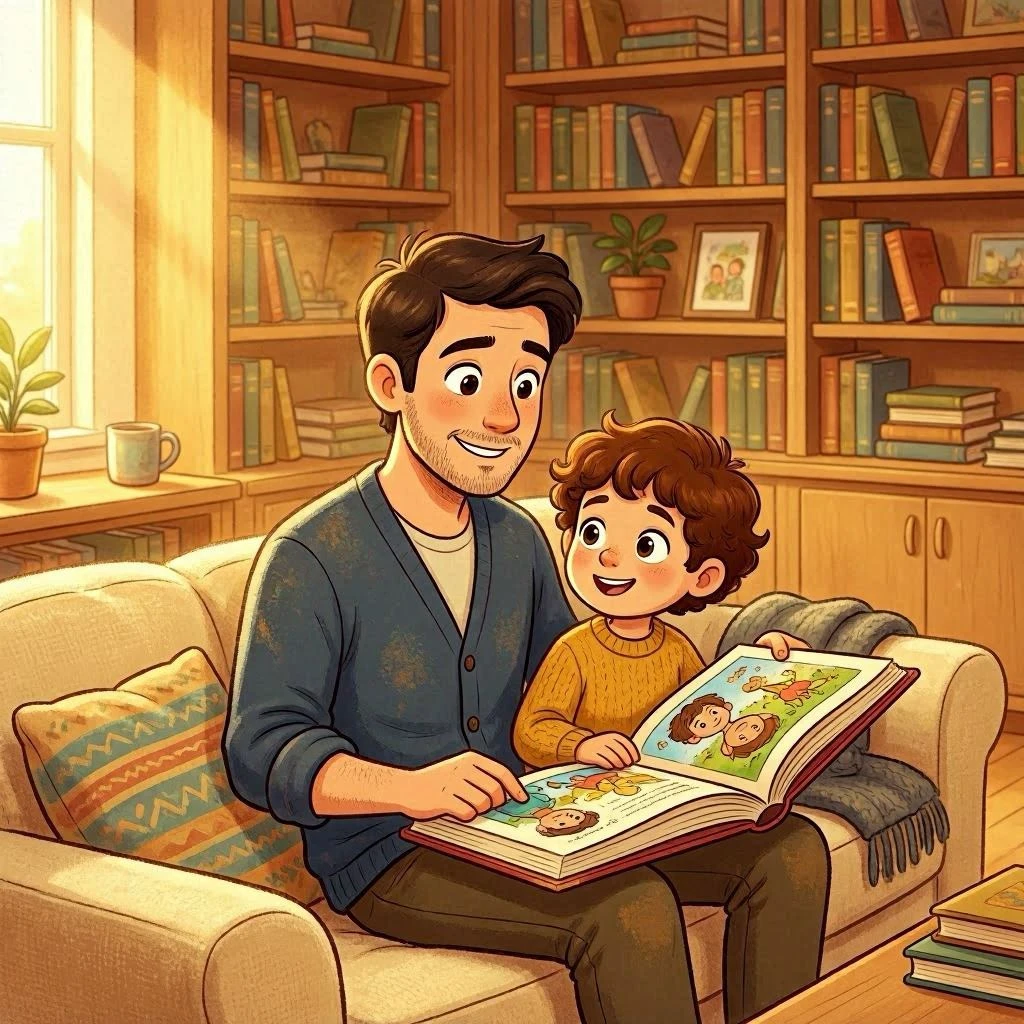
When a parent or caregiver reads to a child, something extraordinary happens beyond the story itself. The child learns to associate the act of reading with warmth, safety, and connection. They learn that stories are a shared space, a place where they and the people they love can travel together without leaving the comfort of a shared chair or a familiar room. This association between stories and love is one of the most powerful foundations for a lifelong love of reading.
Studies conducted by literacy researchers around the world have found that children who are read to regularly from infancy not only develop stronger language skills and larger vocabularies, but are also significantly more likely to become independent readers themselves. They enter school with a deeper love for learning, a richer inner life, and a fundamental belief that books are among the most wonderful things in the world.
Why We Created Lorpia Stories
Lorpia Stories was born from a simple but powerful conviction: that every child on earth deserves access to beautiful, thoughtfully crafted stories that reflect the full richness of the human experience. We live in a world of remarkable diversity, and yet too often the stories available to children are limited in their cultural perspective, their language, and the range of experiences they depict.
Every story on our platform has been written with care, with a genuine understanding of child development, and with deep respect for the power of narrative to shape young minds. Our tales are universal in their themes — courage, friendship, curiosity, kindness, resilience — while being specific enough in their details to feel alive and real. We have made them available in six languages because we believe that a child should be able to encounter magic in the language of their heart.
Whether your child is four years old and hearing their first stories, or ten years old and reading independently for the first time, Lorpia Stories has been created for them — and for you, the parent or educator who understands that the stories we tell our children are among the most important things we can give them. Welcome to Lorpia. We are so glad you are here.